
Native Bees
Education Station #12

We Need Them!
Honey Bee Pollinating Avocado Flowers
Native bees are essential to San Diego’s ecosystem and economy, especially in agriculture. The county is a leader in growing avocados, floriculture, and nursery plants, all of which depend on bees for pollination. Here’s why native bees are so important:
Crop Pollination: Native bees, like bumblebees and long-horned bees, are crucial for pollinating crops, especially avocados, ensuring high yields for local farmers.
Specialized Pollinators: Different native bee species pollinate specific plants, supporting the diversity of both agricultural crops and native plants in the area.
Ecosystem Health: Native bees pollinate wildflowers and other plants in parks and natural areas, helping maintain biodiversity and supporting wildlife habitats.
Sustainability: Native bees are better adapted to the local environment than honeybees, making them an important part of a resilient and sustainable pollination system.
Most of us can recognize the honeybee, but there are around 1,600 native bee species in California. Many of these bees live solitary lives, some live underground, and they are all amazing pollinators! They are essential to the health of our agriculture system, and are an important link in the network of species that make up California’s ecosystem.

-
Appearance: American bumblebees are large, fuzzy, and typically yellow with black bands, making them easy to identify.
Pollinators: They are excellent pollinators, especially for crops like tomatoes, blueberries, and clover.
Social Bees: American bumblebees live in colonies, with one queen, workers, and male bees, similar to honeybees.
Active in Cooler Weather: Unlike many bees, bumblebees can fly in cooler temperatures and are active in early spring and late fall.
Non-Aggressive: They are generally non-aggressive and will sting only if threatened.
Nesting: They often build nests in the ground, in old rodent burrows, or in undisturbed grass.
Life Cycle: The colony is active in the warmer months, with new queens produced in late summer to hibernate until spring.

-
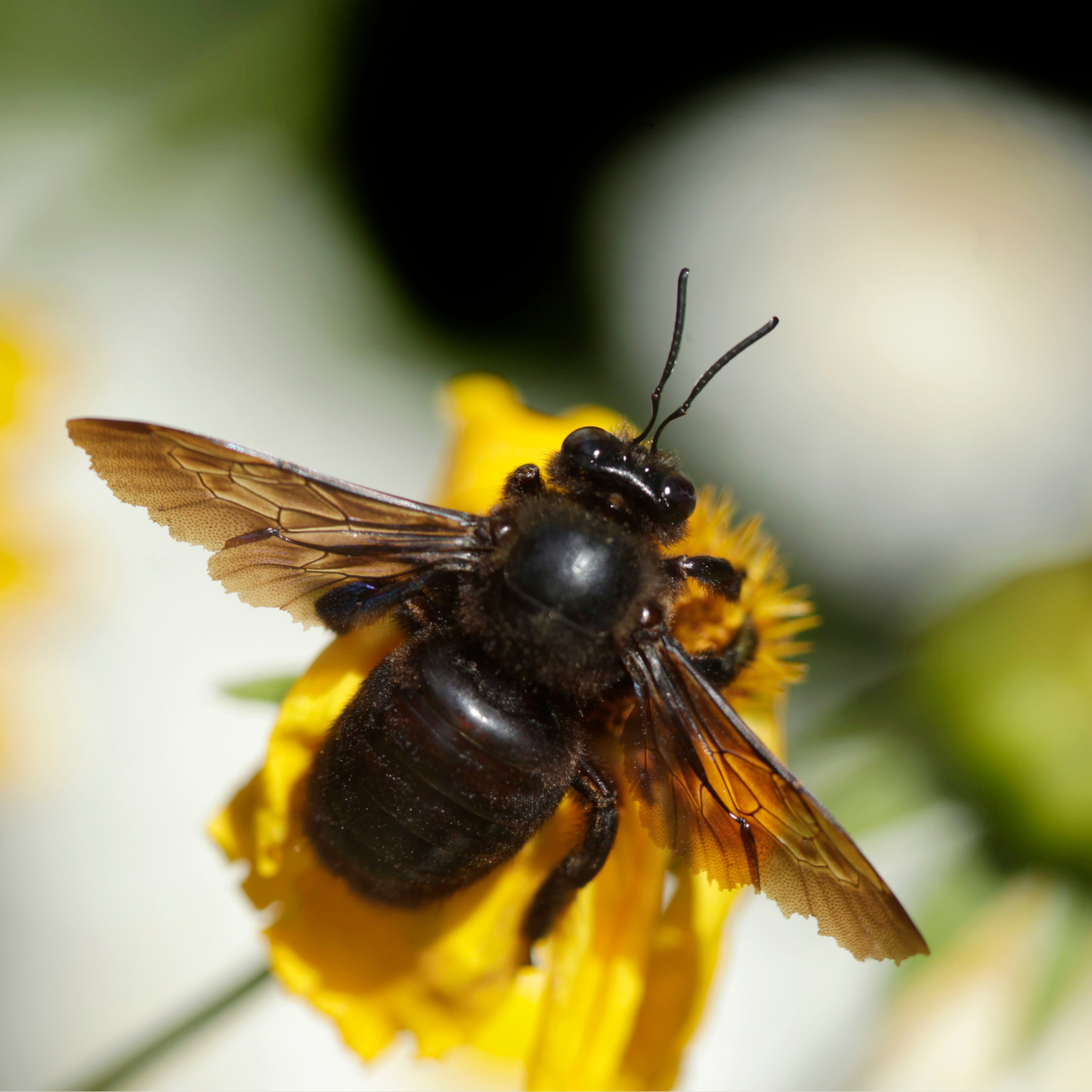
Native to the West: California carpenter bees are native to California and parts of neighboring states.
Large and Shiny: They’re large, about 1 inch long, and have a shiny, hairless abdomen, unlike bumblebees.
Wood-Boring: They tunnel into wood to build nests, preferring softwoods like pine and cedar, but they don't eat the wood.
Pollinators: Carpenter bees pollinate plants, especially flowers like squash and cucumbers.
Solitary: These bees don’t live in colonies. Each female creates her own nest and raises her young alone.
Males Don’t Sting: Male carpenter bees don’t have stingers and can’t sting, though they may act aggressively. Only females can sting.
Life Cycle: After mating, females create tunnels, lay eggs, and provide food for the larvae. New bees emerge the next spring.
Defensive Behavior: Male bees defend the nest by hovering around, but they can’t sting.
Important for Ecosystems: Though they can damage wood, they’re important pollinators for many plants.

-
Native Bees: Mining bees are native to San Diego and play a key role in pollination.
Soil Preference: They nest in sandy or loose soil, creating underground tunnels.
Solitary: Each female mining bee builds and maintains her own nest; they don’t live in colonies.
Pollinators: They pollinate native plants by collecting pollen and nectar, especially in spring and summer.
Efficient: Mining bees exhibit "flower constancy," visiting the same type of flower to ensure effective pollination.
Small and Fuzzy: These bees are small, with fuzzy bodies that help them gather pollen.
No Honey: Mining bees don’t produce honey or wax like honeybees.
Threats: They face challenges from habitat loss, pesticides, and climate change.
Conservation: Mining bees are important for ecosystems and agriculture, helping plants grow and reproduce.
-
Native to San Diego: Long-horned bees are native to San Diego and other parts of North America.
Distinctive Antennae: They are named for their long, curved antennae, which are much longer than those of other bees.
Pollinators: They are effective pollinators, especially for sunflowers and other wildflowers.
Solitary: Long-horned bees are solitary, with each female building and maintaining her own nest.
Nesting: They nest in the ground, often in loose or sandy soils, creating burrows for their eggs.
Appearance: These bees are medium-sized, with hairy bodies that help them collect pollen.
Active in Summer: They are most active during the warmer months, particularly in the late spring and summer.
No Honey Production: Unlike honeybees, long-horned bees do not produce honey or wax.
Flower Constancy: They exhibit flower constancy, meaning they typically visit only one type of flower during a foraging trip, making them efficient pollinators.
Threats: Like many native bees, long-horned bees face threats from habitat loss, pesticide use, and climate change.

-
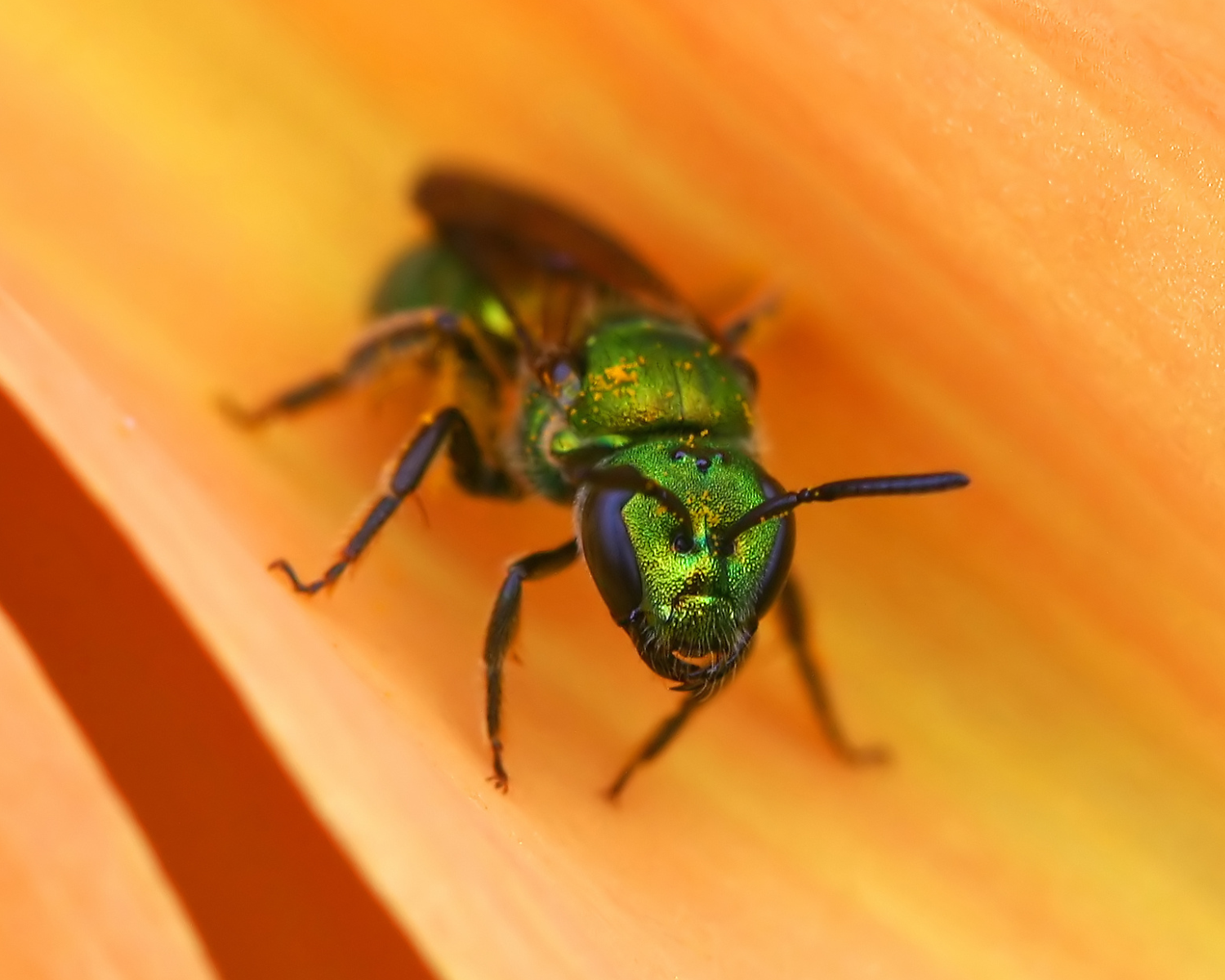
Appearance: Green sweat bees are small, shiny, and metallic green or blue in color, often mistaken for flies.
Attracted to Sweat: They are called "sweat bees" because they are attracted to human sweat, which they drink for its salt content.
Pollinators: These bees are important pollinators, especially for flowers like sunflowers and other wild plants.
Solitary: Green sweat bees are solitary bees, meaning they don’t live in large colonies like honeybees.
Non-Aggressive: They are generally not aggressive and rarely sting, unless provoked.
Nesting: They nest in the ground, often in bare or disturbed soil, where they dig small tunnels to lay their eggs.
Life Cycle: Females lay eggs in the ground, providing pollen and nectar for the developing larvae. The bees emerge in the spring or summer.
-
Native Bees: Digger bees are native to San Diego and other parts of North America.
Nesting Behavior: They dig burrows in the ground to create nests, often in sandy or loose soil.
Solitary: Digger bees are solitary, with each female building her own nest and taking care of the larvae.
Pollinators: They are important pollinators, especially for cacti and other native plants, collecting nectar and pollen.
Appearance: Digger bees are typically medium-sized, with furry bodies that help collect pollen.
Active in Spring and Summer: They are most active during the warmer months when flowers are abundant.
No Honey Production: Like most solitary bees, digger bees do not produce honey or live in colonies.
Life Cycle: After mating, the female lays eggs in her burrow, providing pollen and nectar to nourish the larvae until they mature.
Threats: Digger bees face habitat loss and pesticide exposure, which can threaten their populations.
Check out iNaturalist! This projects goal is to document all 1600 types of native bee’s across California.
Help Our Pollinators!
Research shows significant declines in native pollinator populations globally. Because of environmental stressors, approximately 40 percent of pollinator species are at risk of becoming extinct. To support native bee pollinators, provide flowering plants, nesting sites, overwintering spots, and pesticide-free habitats. Choosing native plants is key! They thrive in local soil and climate, require little water, and boost biodiversity. Consider adding these native plants to your garden:
Wildflowers:
Yarrow
California poppy
Silver lupine
Dwarf checkerbloom
Trees and Shrubs:
Palo verde
Black sage
California false indigo tree
Pollinators also need water. A shallow dish with marbles, filled halfway, creates a safe watering spot. In addition, many native bees live in the ground in burrows or hollow stems. Leaving stems in the garden from flowering plants like bee balm attracts and provides shelter to native bees.
Avoid using pesticides that harm pollinators by following directions carefully and using integrated pest management (IPM). To further help, create and maintain pollinator-friendly habitats. For more information, visit the UCCE San Diego Pollinator Project, Xerces Society & Bee City USA, and California Native Plant Society - San Diego.


